The message that changed the project
I first became obsessed with the Musical Tea Kettle after a customer reached out through the original landing page. They told me their family used to own one back in the day, and that waiting for it to sing had become part of the fabric of their home. The kettle was eventually lost, but the memory stayed vivid.
That note shifted the whole meaning of the project. It was no longer just a whimsical physical product or a clever engineering challenge. It became a way to reach toward the kind of shared ritual that makes ordinary life feel rich.
Back in 2015 I launched a landing page to collect interest in building a singing tea kettle "ala 4-hour workweek".

The Original 2015 Musical Tea Kettle Page to collect emails and find out if the world actually cared about such a whimsical invention!
The push to make it real
For a long time, the kettle lived as one of those ideas I carried around, talked about, and then tucked back into the drawer. Kyle Schutter helped change that. After starting a Burningman Theme Camp with Kyle, he called to invite me into a "mastermind business group" and reminded me that this dream had been following me for years. His challenge was simple and generous: stop treating it like a someday idea and see what would happen if I actually made it real.
That group became part of the origin story. Margaret Upshur, who was also part of the mastermind, connected me through a former colleague to Tom Pierce. That introduction changed the entire trajectory of the project.

Weekly our group would gather to share out our objective blockers and help each other connect and network to make our dreams a reality.
The first time it sang
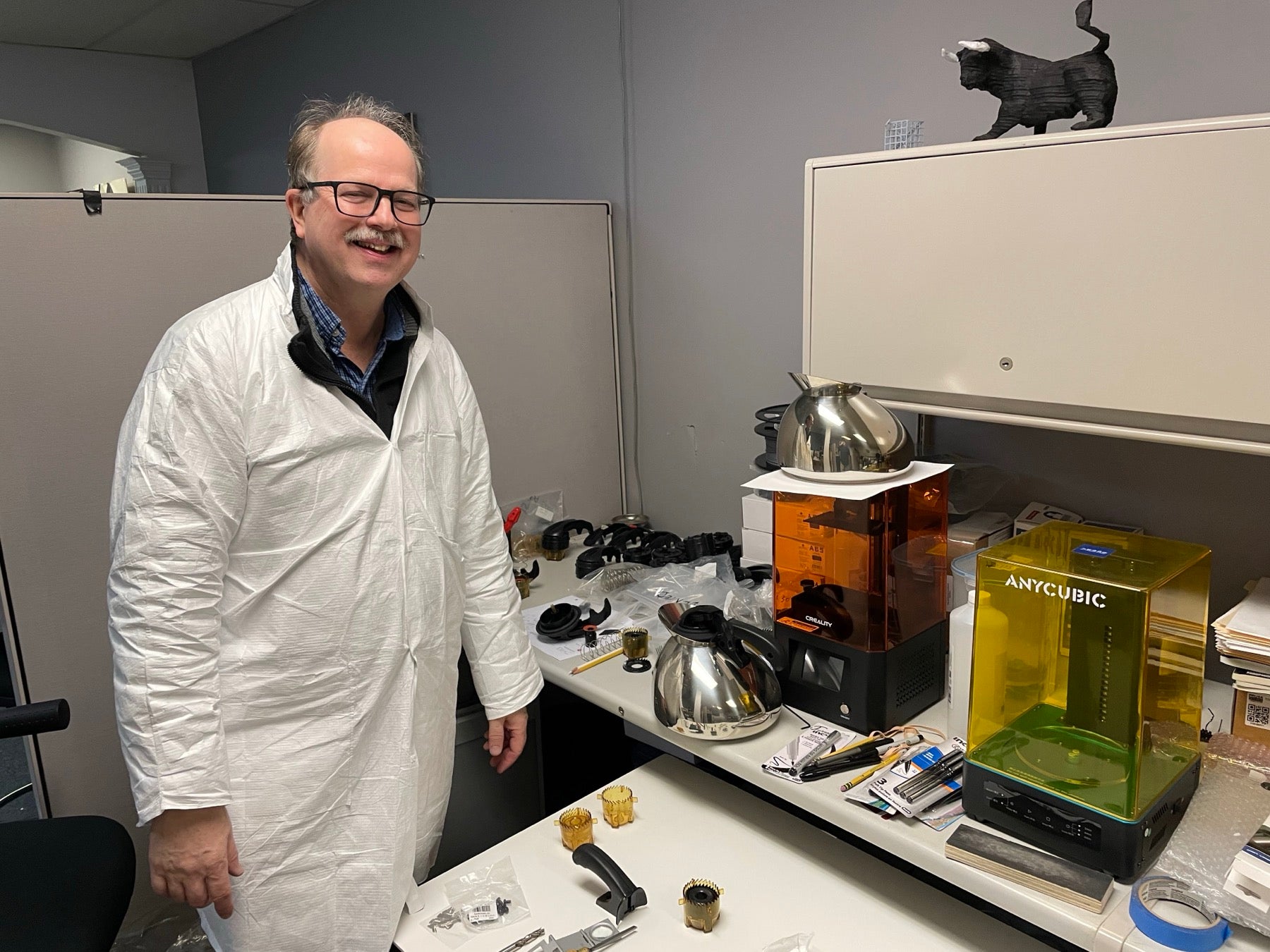
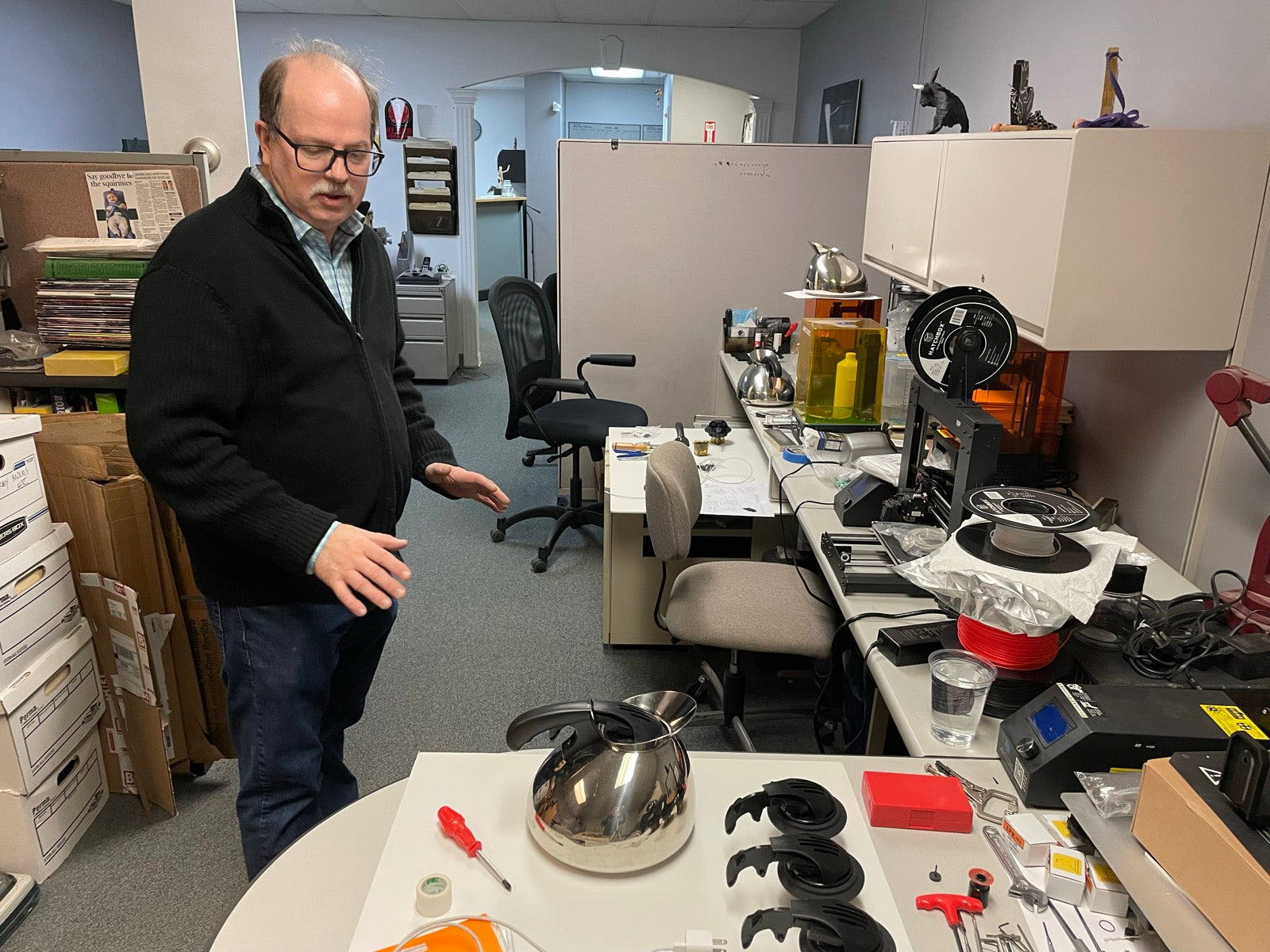
One of the first unforgettable moments came from Tom Pierce, an industrial designer and all-around maker who seems able to turn a strange mechanical question into something physical. Tom was sent a box of parts in various dimensions and kept tinkering until one prototype finally made a recognizable musical sound. His authentic little "yoo-hoo" of excitement in that video is something I will never forget.
I could not wait to share it. It was one of those rare founder moments when the fog lifts for a second and you can see the thing you have been chasing.

The congratulations banner
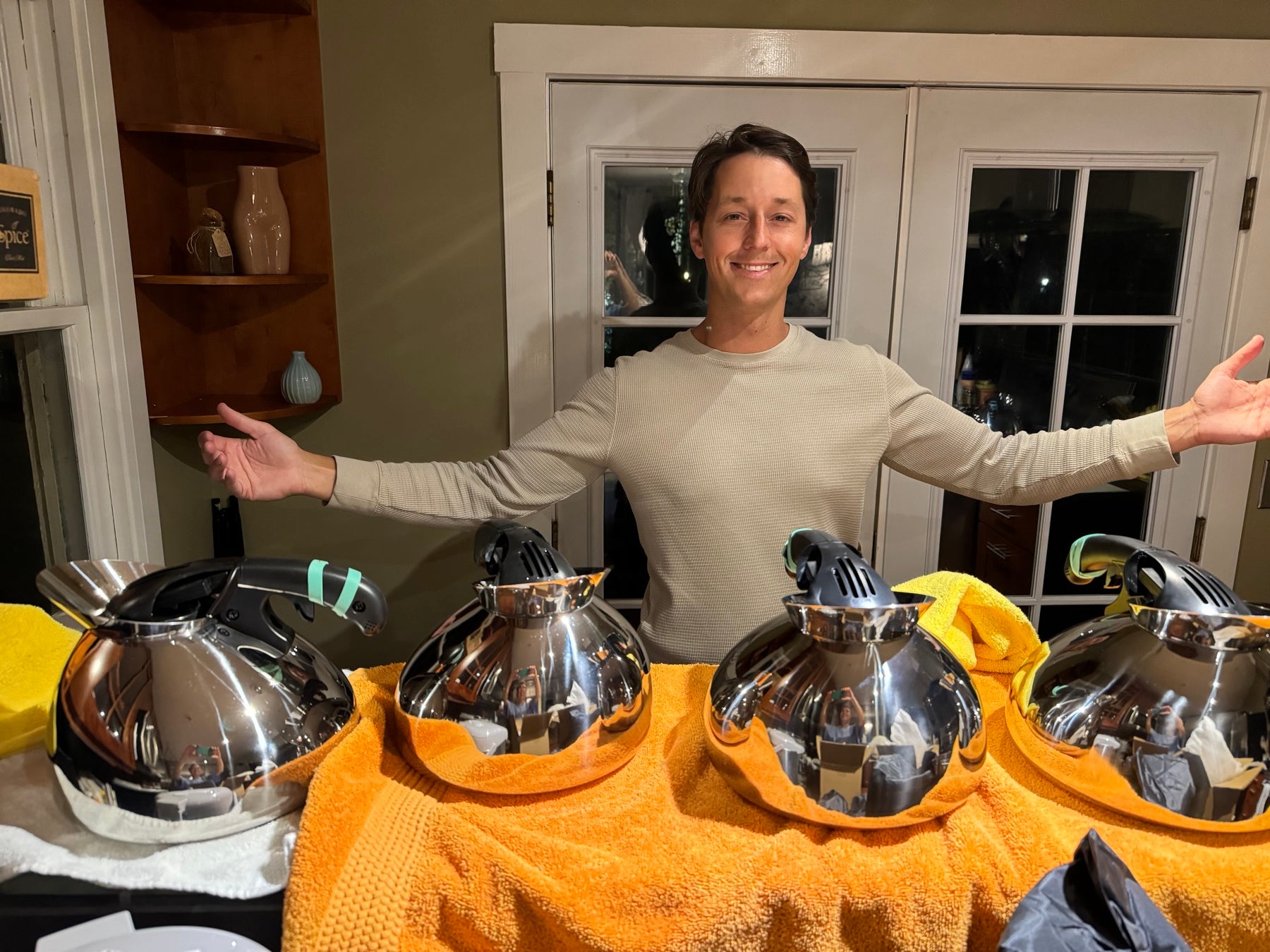
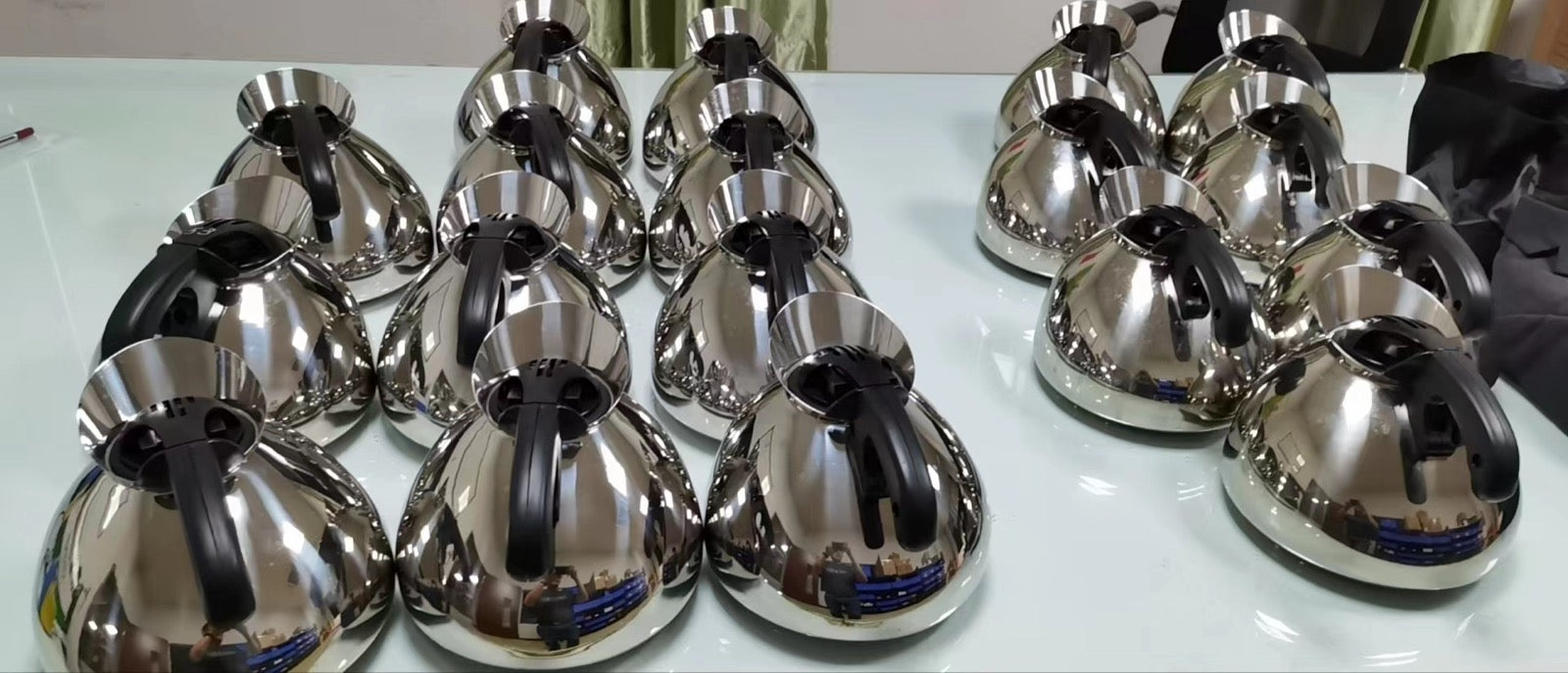
Another electric milestone was receiving a batch of 30 units from China that all sang pretty darn well. My wife put up our family congratulations banner, the kind we use whenever there is something in life worth celebrating, letter by letter on paper and string.
We fired up the kettle and had that wild feeling of: this actually works. I sent video to the China team and to the people who had been part of the journey. For a moment, the little steam engine in the spout felt like it had crossed from impossible to real.
The beautiful, maddening part
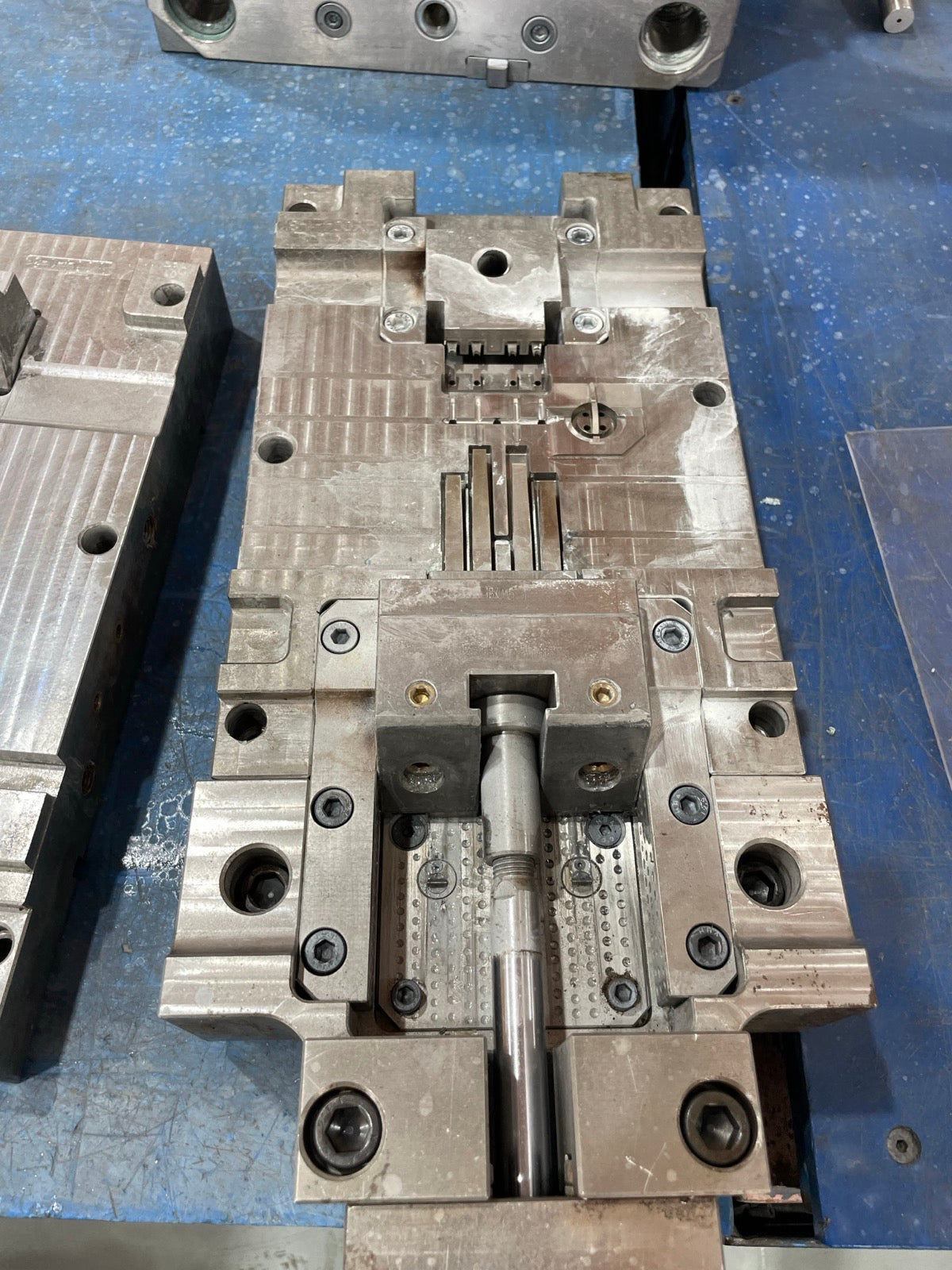
The hard part is that "works" and "works reliably for customers" are two very different standards. The mechanism inside the spout is effectively a tiny steam-powered engine. It has to cycle on roughly 1 PSI of pressure while dealing with heat, water, vibration, and repeated boiling.
We made progress, but returns were painful. Some kettles would sing at my house, ship out, and then come back unable to perform consistently. The recurring problem was sputtering and pressure leakage around the main peripheral gasket seal, especially as heat softened the rubber and uneven seating pressure allowed steam to escape.
I do not want to ship temperamental kettles. This project deserves better, and so do the people who believed in it early.
The people who carried it
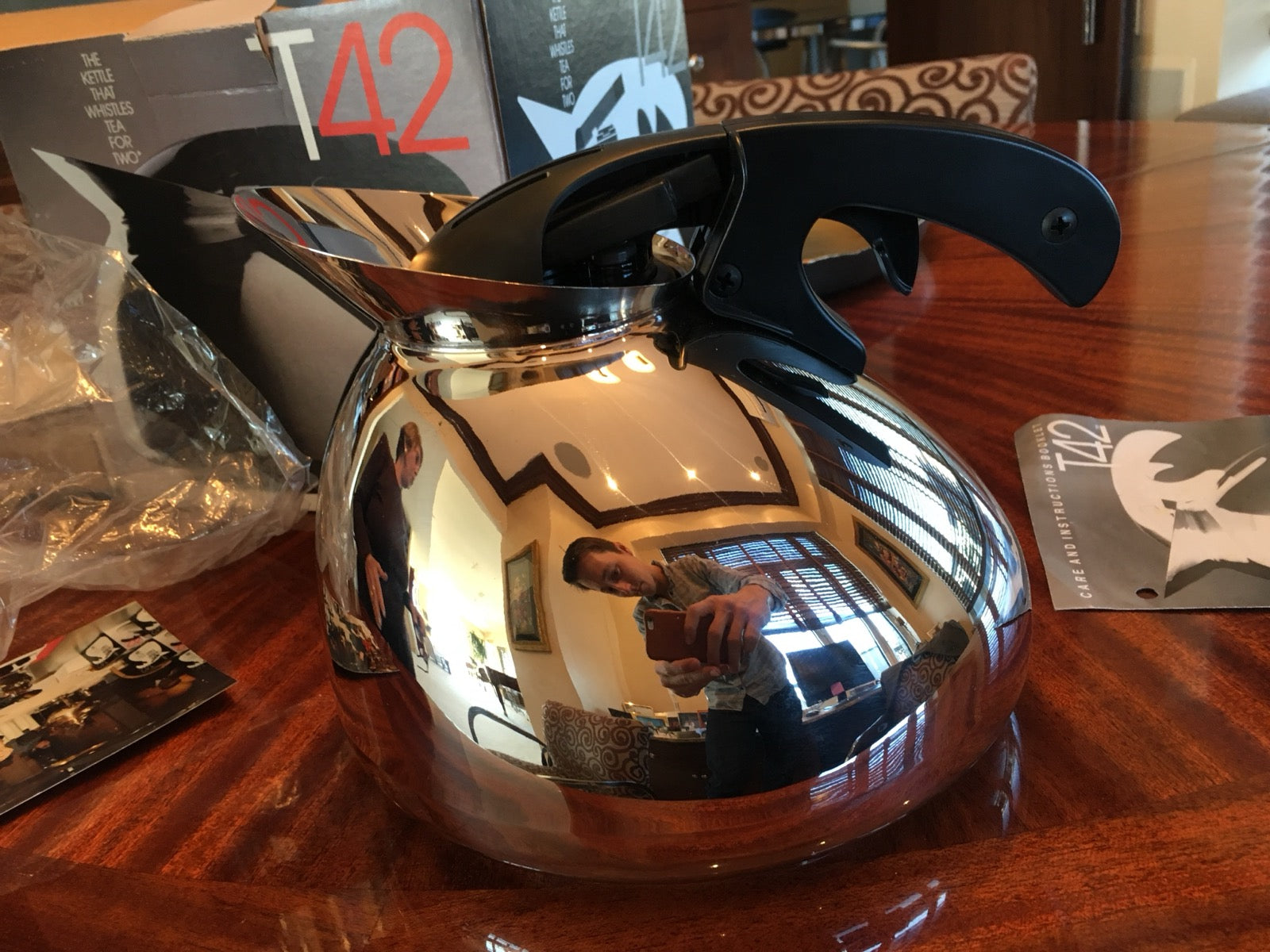
This project has been held up by extraordinary people. Riki Kane, the inventor of the original T42, and Charles Hutter were kind enough to give me an original kettle to reverse engineer. Beni Issler, an absolute genius from UC Berkeley who now builds parts for rocket ships, studied the patent, dissected parts, modeled the mechanism, documented a source of truth, and brought real root-cause thinking to a product that has almost no modern playbook. Dalil brought rapid prototyping and high-end printing resources through UC Berkeley. Tom Pierce was relentless, generous, and essential.
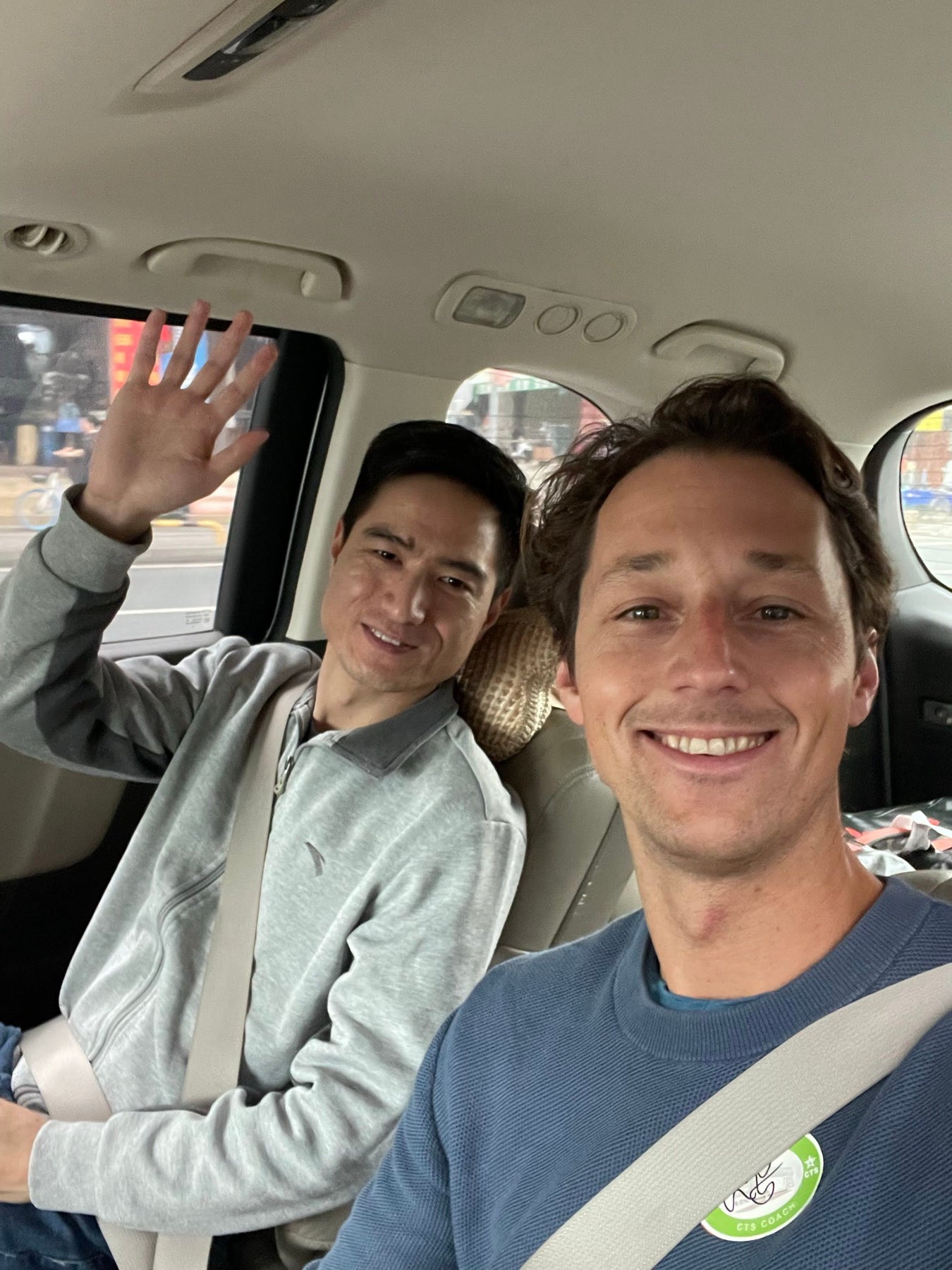
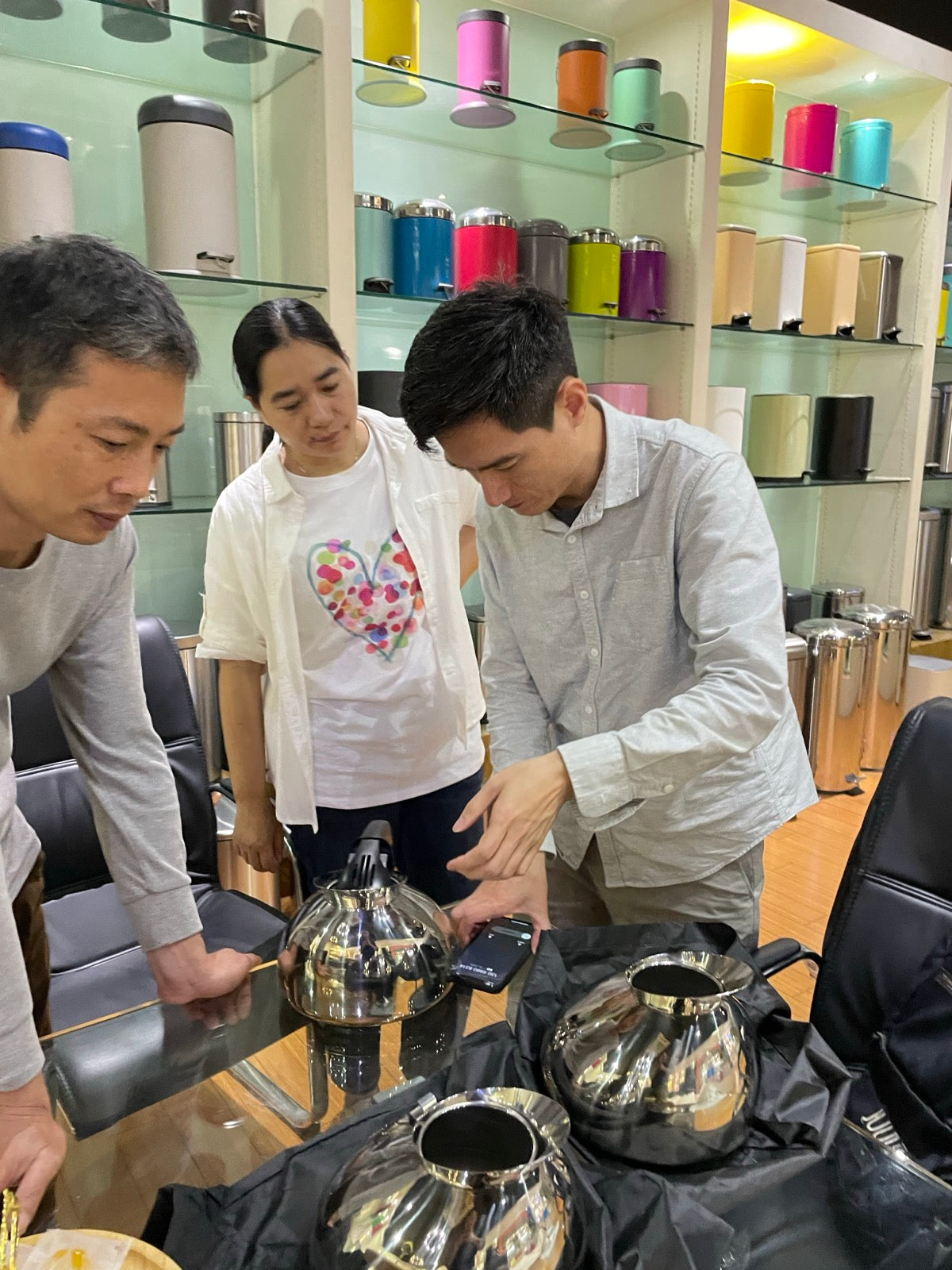
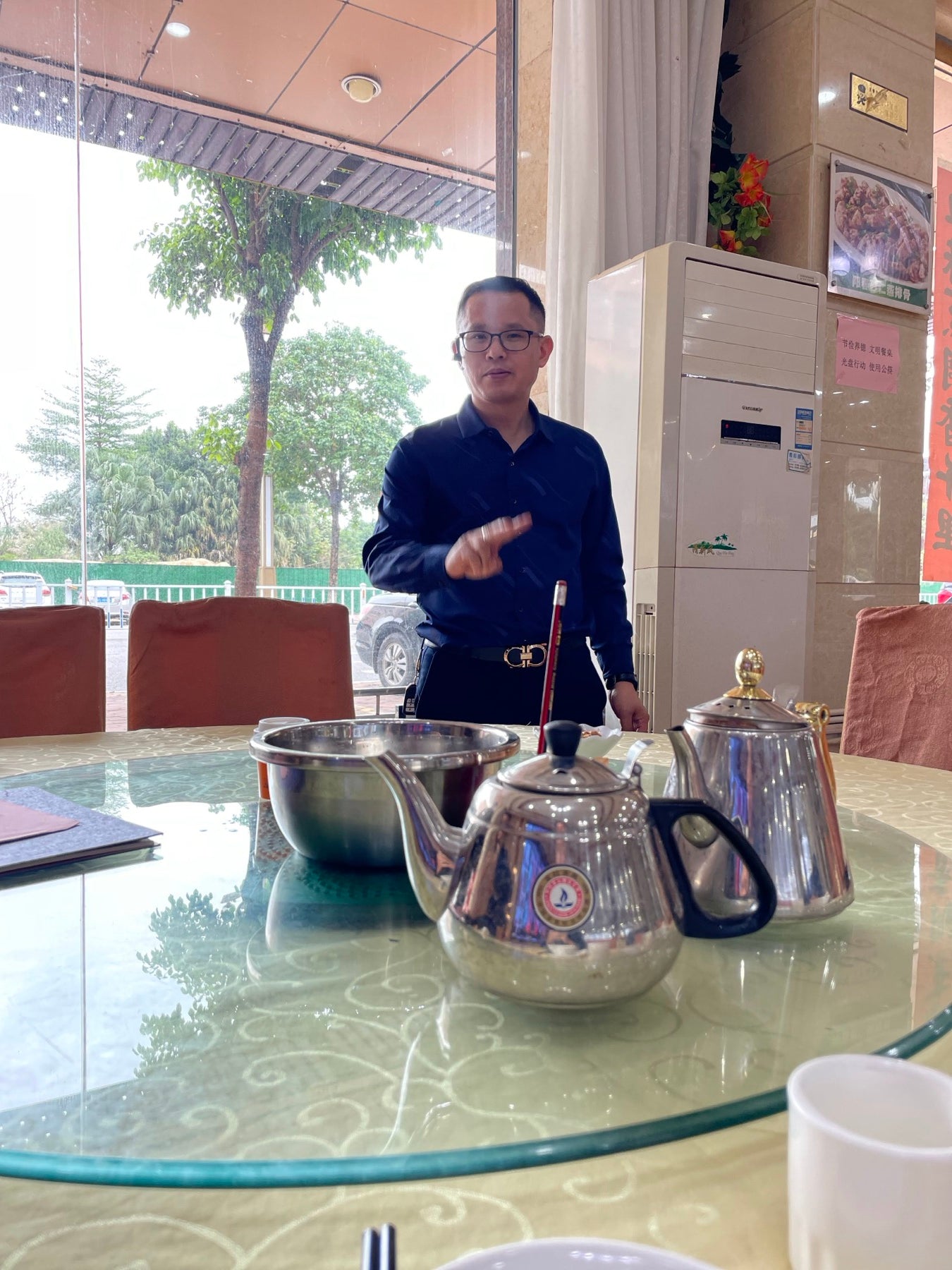
Wilton Chiang coordinated manufacturing in China and helped keep the project moving across distance, language, factories, and details. My parents encouraged me even when the whole thing looked, fairly, like a harebrained idea. Rachael Roueche, my wife, encouraged me through the project and somehow met me because I handed her a business card after pickleball that read "Tea Kettle Tycoon."
Early backers gave the project validation, capital, and momentum. The whole effort became a strange and beautiful web of people saying yes to an improbable object.
Where things stand now
I am putting the Musical Tea Kettle on the back burner. There is relief in saying that honestly, and there is sadness too. Family life is full. I have a new job. I do not currently have the capital or bandwidth to take on the next chapter responsibly.
I am still proud that I took the shot. I do not regret it. This project cost me money and tested my sanity, but it also brought me my wife, friendships, time abroad, land in Mexico, and a deeper respect for anyone who tries to make something real.